
_edited.png)
Met Gala 2026: When Fashion Becomes Art (and Why Latin Designers are Leading the Way)
- sobeidyvidal
- Feb 24
- 5 min read
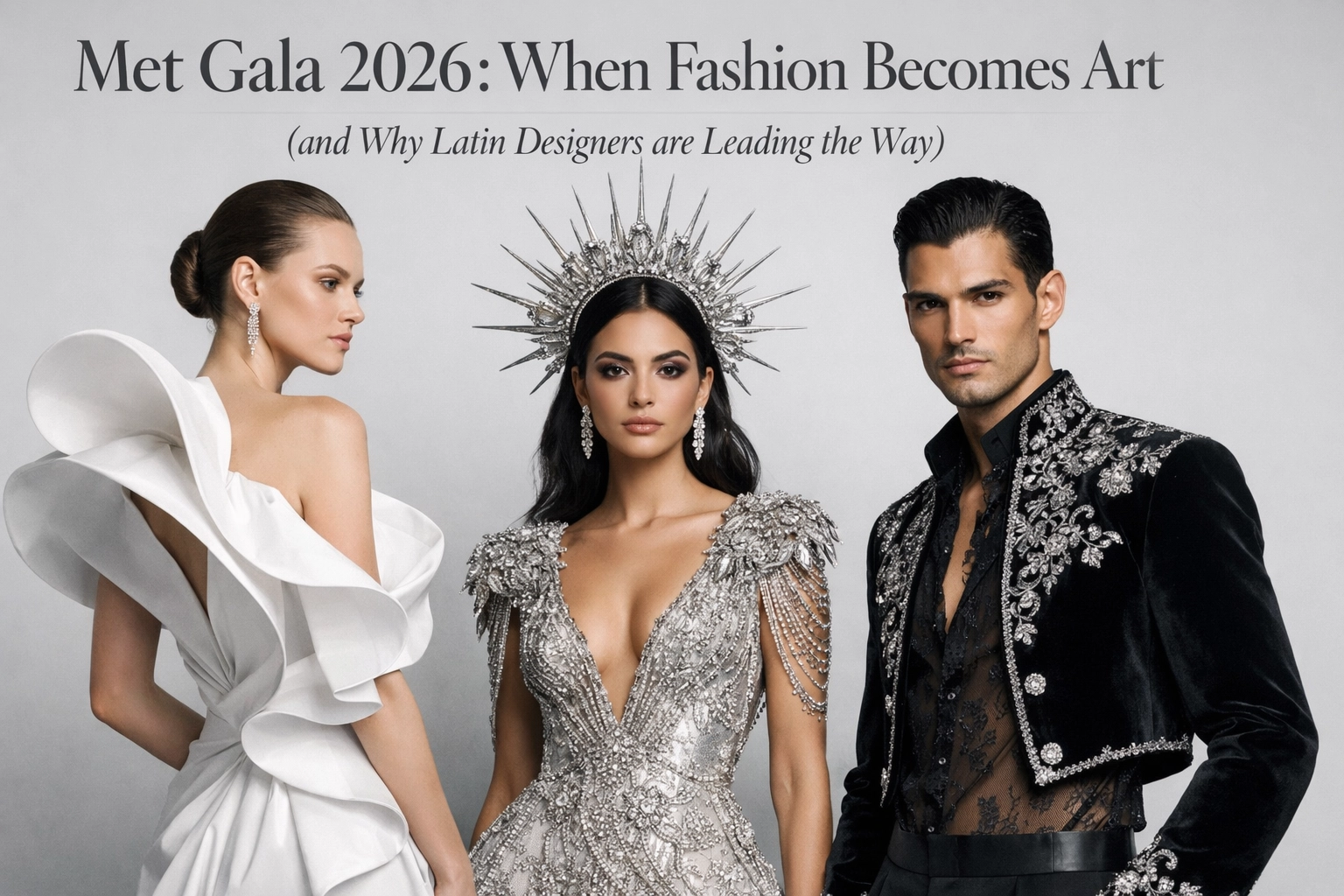
On May 4, 2026, the Metropolitan Museum's grand staircase will transform into a canvas. The theme? "Costume Art." The dress code? "Fashion Is Art." And while the fashion world prepares for Beyoncé, Nicole Kidman, and Venus Williams to co-chair what will undoubtedly be the most visually stunning night of the year, one thing is abundantly clear: Latin designers have been answering this creative brief for centuries.
This isn't hyperbole. This is historical fact.
While the Met Gala's exhibition, curated by Andrew Bolton, will explore artistic representations of the dressed body by pairing fashions and artworks from the museum's collection, Latin designers have been doing exactly this: treating the body as canvas, clothing as storytelling medium, and culture as their paint palette: since long before it became a viral dress code.
What "Fashion Is Art" Actually Means
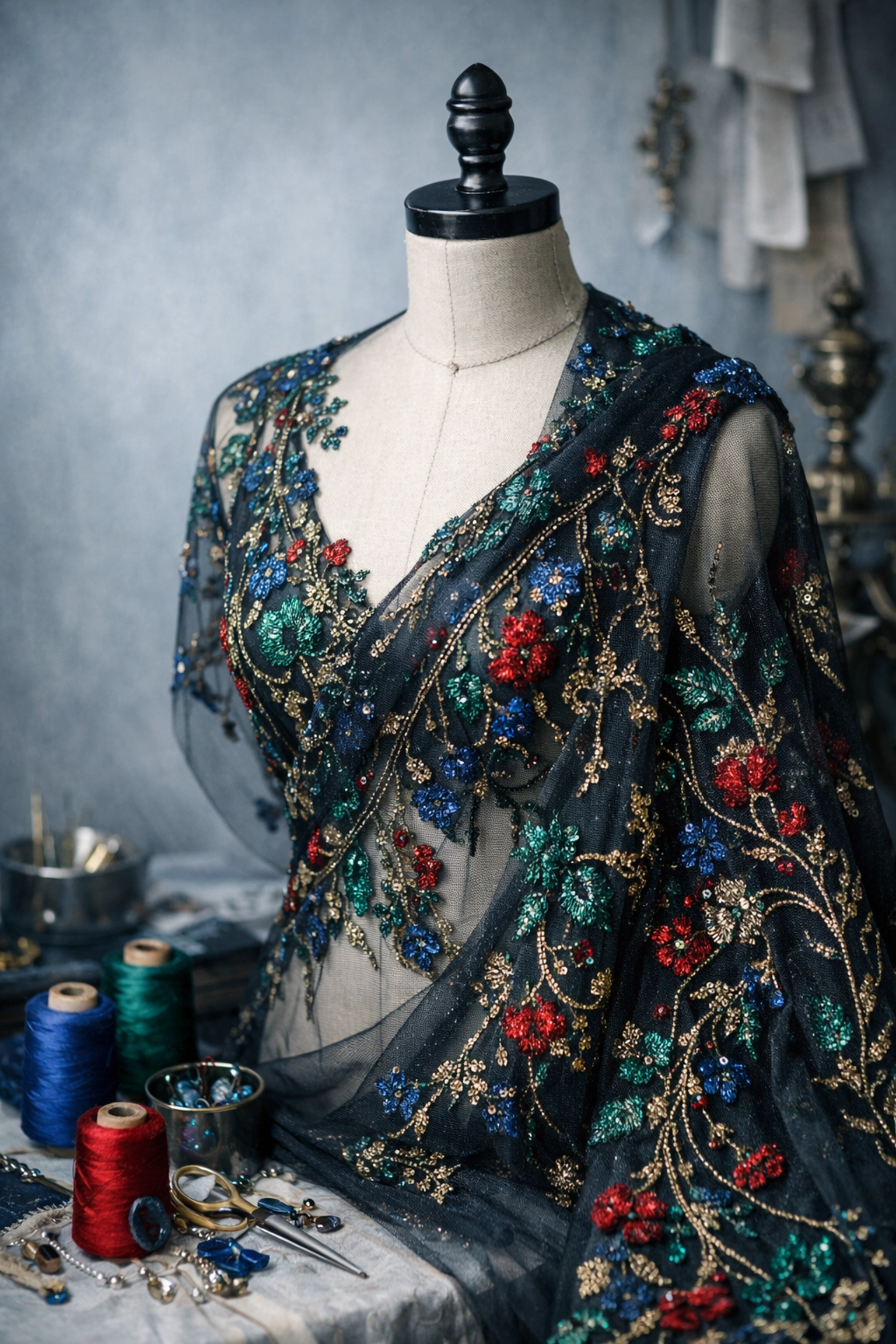
The phrase sounds simple. Romantic, even. But "Fashion Is Art" is a declaration of intent: a statement that what we wear goes beyond utility, beyond trend cycles, beyond the commercial transaction of designer-to-consumer.
It's the acknowledgment that garments can carry narrative weight. That embroidery can preserve ancestral knowledge. That silhouette can challenge social constructs. That color can communicate identity.
According to Vogue's interpretation, the dress code encourages attendees to consider how designers use the body as their canvas: embracing specific artistic movements like Baroque, Surrealism, and Impressionism. Think Vivienne Westwood's sculptural rebellion. Think Saint Laurent's painterly draping.
But here's what the mainstream conversation often misses: Latin designers have been executing this artistic vision not as aesthetic exercise, but as cultural imperative.
The Latin Design Philosophy: Every Garment Tells a Story
Walk into any Latin Fashion Week show, and you'll immediately understand the difference. There's a weight to the work. A gravity. A sense that each piece carries something beyond the designer's vision: it carries collective memory.
Latin designers don't just reference art. They create it through inherited techniques that have been refined across generations:
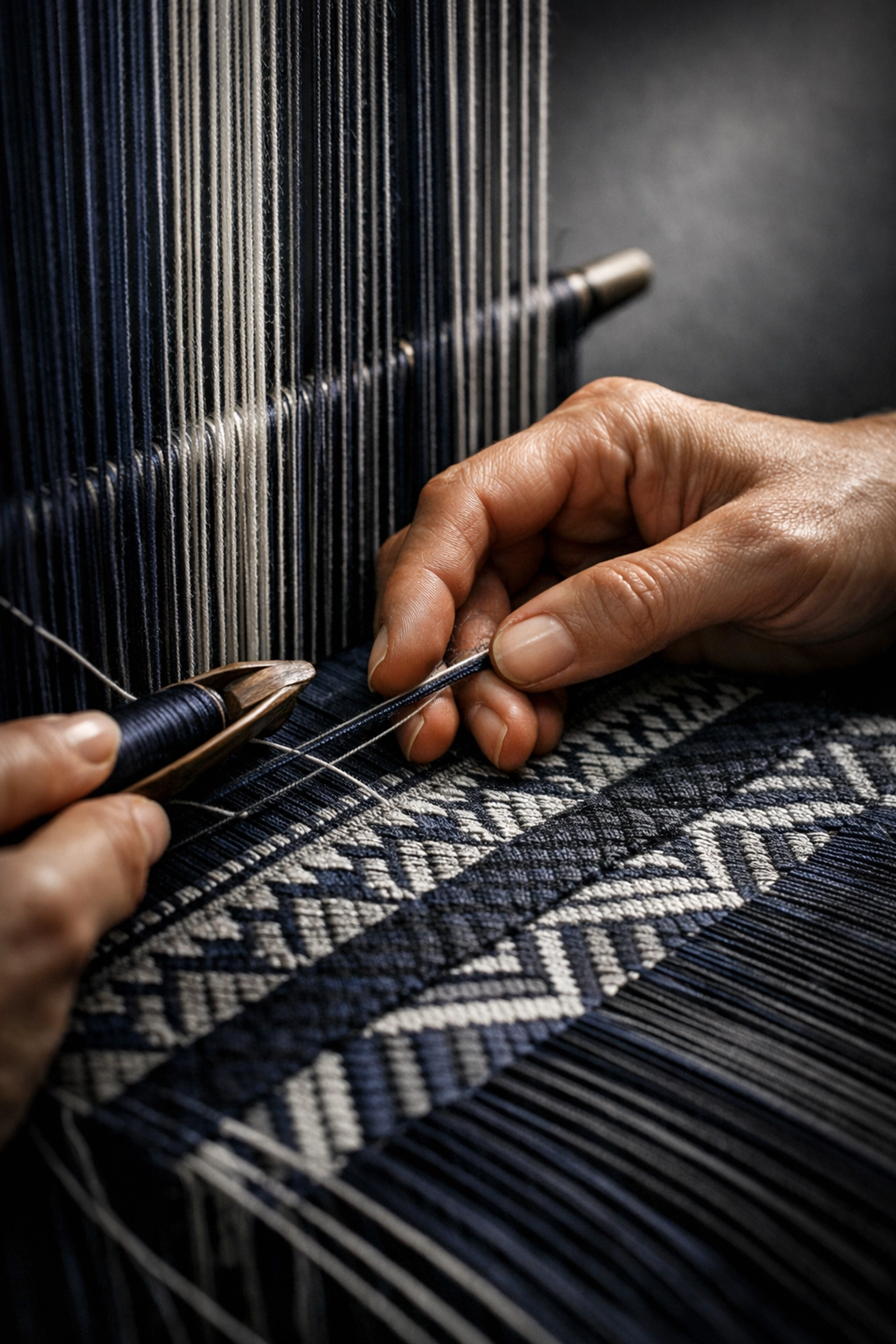
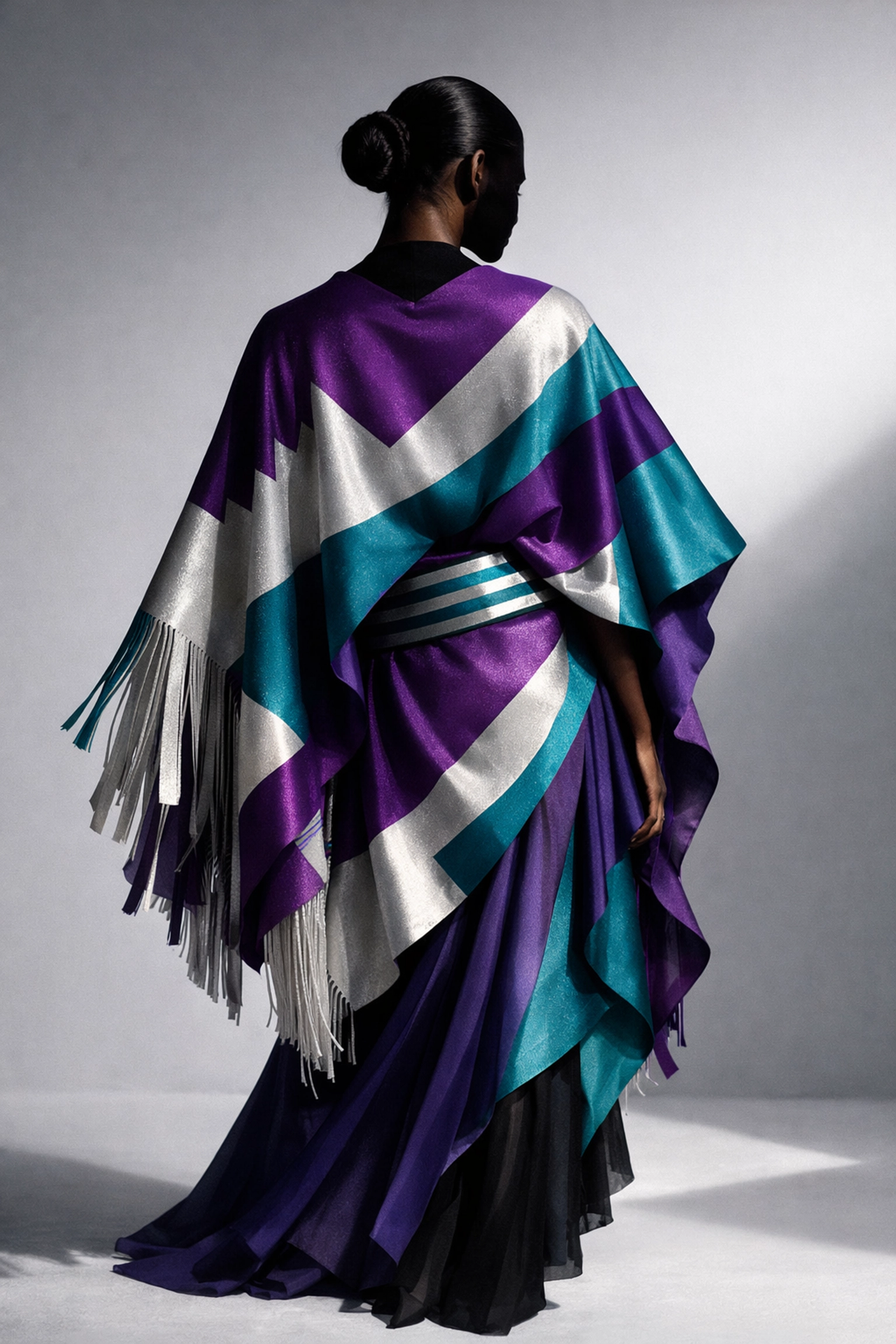
The craftsmanship is the artistry. Hand-embroidered huipils that take months to complete. Intricate lacework passed down through matrilineal lines. Natural dyeing techniques that connect contemporary design to pre-Columbian color theory. This isn't fashion inspired by art: this is fashion as art, full stop.
The body becomes a living gallery. Where European design often separates the garment from the wearer, Latin design understands that clothing and body are inseparable. The way fabric moves with Caribbean rhythm. How silhouettes honor different body types rather than conforming them. How embellishment is placed to celebrate rather than conceal.
Cultural symbolism operates as visual language. Every motif matters. Every color choice carries meaning. The difference between a Mexican rebozo and a Guatemalan perraje isn't just regional: it's an entire coded language of identity, status, and belonging translated into textile.
From Frida's Canvas to Today's Runway
The Met Gala 2026 theme arrives at a moment when the global fashion industry is finally: finally: catching up to what Latin creatives have always known: the most compelling fashion emerges from the intersection of personal identity and artistic expression.
Consider Frida Kahlo, who understood her body as both subject and canvas. Her Tehuana dresses weren't costume: they were political statement, artistic choice, and cultural reclamation simultaneously. She dressed in Oaxacan traditional wear as a deliberate artistic decision, transforming everyday clothing into iconographic self-portraiture.
That same philosophy runs through contemporary Latin design:
Carolina Herrera (Venezuelan-American) builds architectural elegance that references both European couture tradition and Latin American sophistication: creating garments that exist as wearable sculpture.
Isabel Toledo revolutionized American fashion by approaching each garment as an engineering and artistic challenge, creating pieces that lived in the permanent collections of museums worldwide.
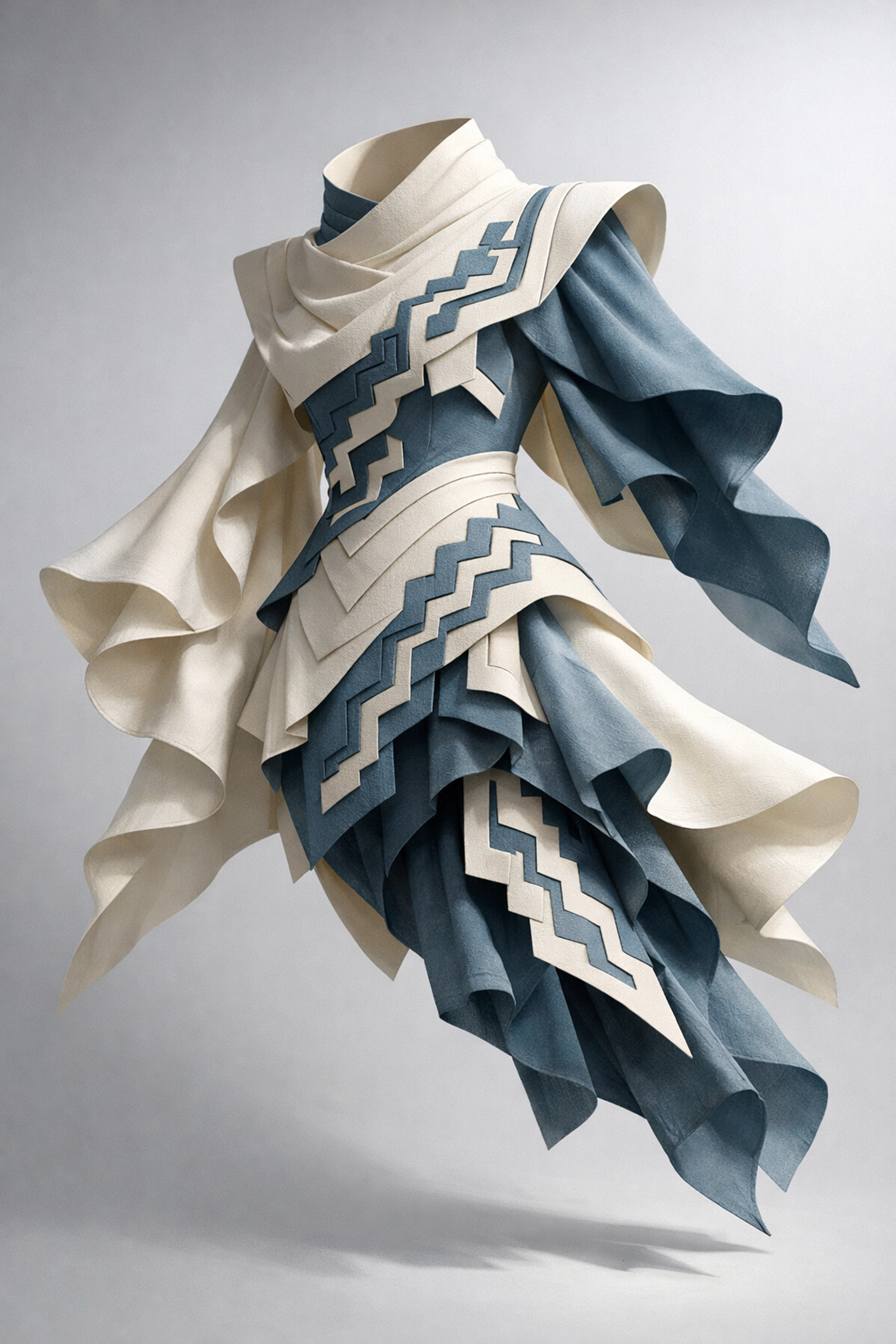
Carla Fernández (Mexican) literally uses pre-Hispanic geometric patterns and indigenous construction techniques, treating each collection as both anthropological research and avant-garde fashion statement.
These designers: and countless others across Latin America and the diaspora: have always operated at the intersection of fashion, fine art, anthropology, and cultural activism.
Why the 2026 Theme Feels Like Validation
There's something bittersweet about watching "Fashion Is Art" trend as a novel concept when Latin designers have been systematically excluded from the institutions that now celebrate this idea.
The Metropolitan Museum's own Costume Institute has historically underrepresented Latin American designers in permanent collections. Major fashion publications still treat Latin design as "emerging" despite centuries of sophisticated craft tradition. And the commercial fashion system continues to appropriate indigenous techniques without crediting: or compensating: the communities that created them.
So when Andrew Bolton curates an exhibition pairing fashions and artworks to highlight the relationship between clothing and art, the question becomes: Which fashions? Which artworks? Whose artistic canon?
Because if we're genuinely exploring fashion as art, we have to reckon with the fact that some of the most innovative artistic expression in fashion is happening outside the European-American axis that traditionally defines "high fashion."
We have to acknowledge that:
Textile art from Andean cultures predates European tapestry traditions by millennia
Mexican embroidery techniques demonstrate color theory and compositional sophistication that rivals any Impressionist painter
Caribbean approaches to volume and draping innovate on fabric manipulation in ways that challenge Western couture construction
Latin American designers consistently merge fine art, street culture, and heritage craft in ways that most contemporary fashion can only aspire to
The Future Is Already Here: It's Just Not Evenly Distributed
What excites us most about the Met Gala 2026 theme isn't the theme itself. It's what this conversation opens up for Latin designers who have been doing this work all along.
When Beyoncé, Nicole Kidman, and Venus Williams walk that red carpet alongside host committee members including Zoë Kravitz and Anthony Vaccarello, when guests interpret "Fashion Is Art" through Baroque extravagance and Surrealist experimentation: we'll be watching for something else.
We'll be watching for whose artistry gets centered. Whose craft gets credited. Whose cultural contribution gets celebrated rather than extracted.
Because the truth is, Latin designers don't need permission to treat fashion as art. They've never waited for institutional validation. They've been building, creating, innovating, and preserving artistic traditions through fashion regardless of whether the Met's exhibition includes them.
What This Means for Latin Fashion Moving Forward
The "Fashion Is Art" conversation creates opportunity: not because it's new, but because it finally provides language for what Latin designers have always practiced.
For emerging designers in our community, this moment offers strategic positioning:
Own the artistic narrative. Don't wait for critics to draw connections between your work and fine art: make those connections explicit. If your embroidery references baroque painting, say so. If your construction techniques come from architectural principles, claim that expertise.
Demand institutional recognition. The museums, galleries, and fashion archives that now celebrate "fashion as art" should acquire Latin designer work. Not as ethnographic artifact, but as contemporary art deserving of the same institutional support given to European designers.
Build alternative economies. While traditional fashion systems slowly recognize artistic value, Latin designers are creating direct relationships with collectors, museums, and consumers who understand fashion as investment-grade art.
Document the process. The craft behind Latin design: the hand work, the cultural research, the technical innovation: is itself art. Make that visible.
The Real Story of May 4, 2026
When the fashion world gathers at the Met next spring, they'll be celebrating an idea that Latin designers have embodied since before "fashion" was institutionalized as an industry.
They'll marvel at garments that blur boundaries between clothing and sculpture, between dress code and artistic statement. They'll reference art movements and designer visionaries.
And we'll be here, celebrating our own: the designers who never needed a Met Gala theme to understand that when you carry culture in your hands, history in your technique, and identity in your vision, fashion has always been art.
That's not trend forecasting. That's cultural truth.
Want to discover the Latin designers redefining fashion as art? Explore our designer directory and see the future of artistic fashion.